Have you ever felt trapped? Maybe it’s anxiety that won’t let go, a habit you can’t seem to break, or mistakes from your past that keep haunting you. If you’ve been searching for a way out, you’ve probably come across one of the most famous phrases in Scripture: “the truth shall set you free.” But what does this powerful promise from John 8:32 actually mean for your daily life?
Understanding John 8:32 in Its Biblical Context
To grasp the full meaning of “the truth shall set you free,” we need to see it in context. Jesus didn’t speak these words in isolation—they’re part of a larger conversation that reveals the conditions and nature of true freedom.
The Full Passage: John 8:31-32
Here’s what Jesus actually said: “If you abide in My word, you are My disciples indeed. And you shall know the truth, and the truth shall make you free” (John 8:31-32, NKJV).
Notice that Jesus was speaking to people who had already believed in Him. This wasn’t evangelism to unbelievers; this was teaching for true disciples. The promise of freedom comes with a condition: abiding in His word.
What Does “Abiding in His Word” Mean?
The word “abide” carries deep significance. In the original Greek, it’s “meno,” which means to remain, dwell, or continue. This isn’t about casual Bible reading or Sunday-only Christianity. Abiding in Christ’s word means:
- Consistently reading and studying Scripture
- Meditating on God’s truth daily
- Allowing His word to shape your decisions and thoughts
- Living out biblical principles in practical ways
- Making His teachings the foundation of your life
True discipleship—being a genuine follower of Jesus—involves this ongoing, intimate relationship with God’s Word. It’s not a one-time commitment but a daily walk.
The Greek Meaning of “Truth”
When Jesus spoke of “truth,” He used the Greek word “aletheia,” which means reality as opposed to illusion or falsehood. This isn’t just factual accuracy; it’s the ultimate reality of who God is and how things truly are. In a world filled with deception, lies, and distorted perspectives, Jesus offers truth that cuts through to what’s real.
What “The Truth” Actually Is
Here’s where many people miss the mark. “The truth” that Jesus spoke of isn’t primarily a concept, a philosophy, or even a set of doctrines. The truth is a Person.
Jesus IS the Truth
In John 14:6, Jesus declared, “I am the way, the truth, and the life. No one comes to the Father except through Me.” Jesus didn’t just teach truth—He is the truth. This is revolutionary. Knowing the truth means knowing Christ personally, not just knowing facts about Him.
When we encounter Jesus:
- We encounter reality itself—the fullness of God
- We discover who we truly are—loved children of God
- We see life as it’s meant to be lived—in relationship with our Creator
- We understand our purpose—to glorify God and enjoy Him forever
How This Differs from the World’s Understanding
The world says truth is relative, subjective, or determined by personal experience. But Jesus presents truth as absolute, objective, and centered in Himself. The world promises freedom through self-expression, doing whatever feels right, or throwing off all restraints. But Jesus shows us that real freedom comes through knowing and following Him—the embodiment of truth.
The Holy Spirit: The Spirit of Truth
Jesus also promised to send the Holy Spirit, whom He called “the Spirit of truth” (John 16:13). The same Spirit who inspired Scripture guides believers into all truth, revealing Christ to us and helping us understand and apply God’s Word. This means that experiencing freedom through truth isn’t just an intellectual exercise—it’s a Spirit-empowered transformation.
What Does “Set You Free” Really Mean?
Freedom is one of the most misunderstood concepts in Christianity. Let’s clarify what Jesus meant when He promised that truth would set us free.
Freedom FROM Sin and Bondage
Just a few verses later, in John 8:34-36, Jesus explains: “Most assuredly, I say to you, whoever commits sin is a slave of sin. And a slave does not abide in the house forever, but a son abides forever. Therefore if the Son makes you free, you shall be free indeed.”
The freedom Jesus offers is primarily freedom from:
- Slavery to sin: The compulsive power of sin that once controlled us (Romans 6:17-18)
- Guilt and condemnation: The crushing weight of shame for past mistakes (Romans 8:1)
- Fear of death: The terror of judgment and what comes after (Hebrews 2:14-15)
- Lies about ourselves: False identities and negative self-beliefs that contradict God’s truth
- The law’s demands: The impossible burden of trying to earn salvation through perfect obedience (Galatians 5:1)
Freedom TO Live as God’s Children
But freedom isn’t just about what we’re freed from—it’s about what we’re freed to become and do:
- Live as sons and daughters, not slaves: We have an intimate relationship with God as our Father
- Walk in righteousness: We have the power to choose obedience and holiness (Romans 6:18)
- Experience abundant life: Joy, peace, and purpose that transcend circumstances (John 10:10)
- Serve others in love: Using our freedom to bless rather than to indulge selfishness (Galatians 5:13)
Not Political or Physical Freedom
It’s crucial to understand that Jesus wasn’t promising political liberation, financial prosperity, or physical comfort. In fact, His listeners in John 8 initially misunderstood, claiming they were Abraham’s descendants and had never been enslaved to anyone—even though they were literally under Roman occupation at that moment!
Jesus corrected their thinking: spiritual freedom transcends earthly circumstances. You can be physically free but spiritually enslaved, or physically imprisoned yet spiritually free. Just ask Paul and Silas, who sang hymns in prison (Acts 16:25).
Positional vs. Experiential Freedom
Here’s an important distinction: when you trust in Christ for salvation, you receive positional freedom—you’re legally set free from sin’s penalty and ownership. But experiential freedom—actually living in that liberty day by day—is a journey. You grow into the freedom you’ve already been given.
Think of it like this: when slaves were emancipated, they were legally free immediately. But learning to live as free people, thinking like free people, and breaking old patterns took time. Similarly, believers are positionally free in Christ, but walking in that freedom is a process of transformation.
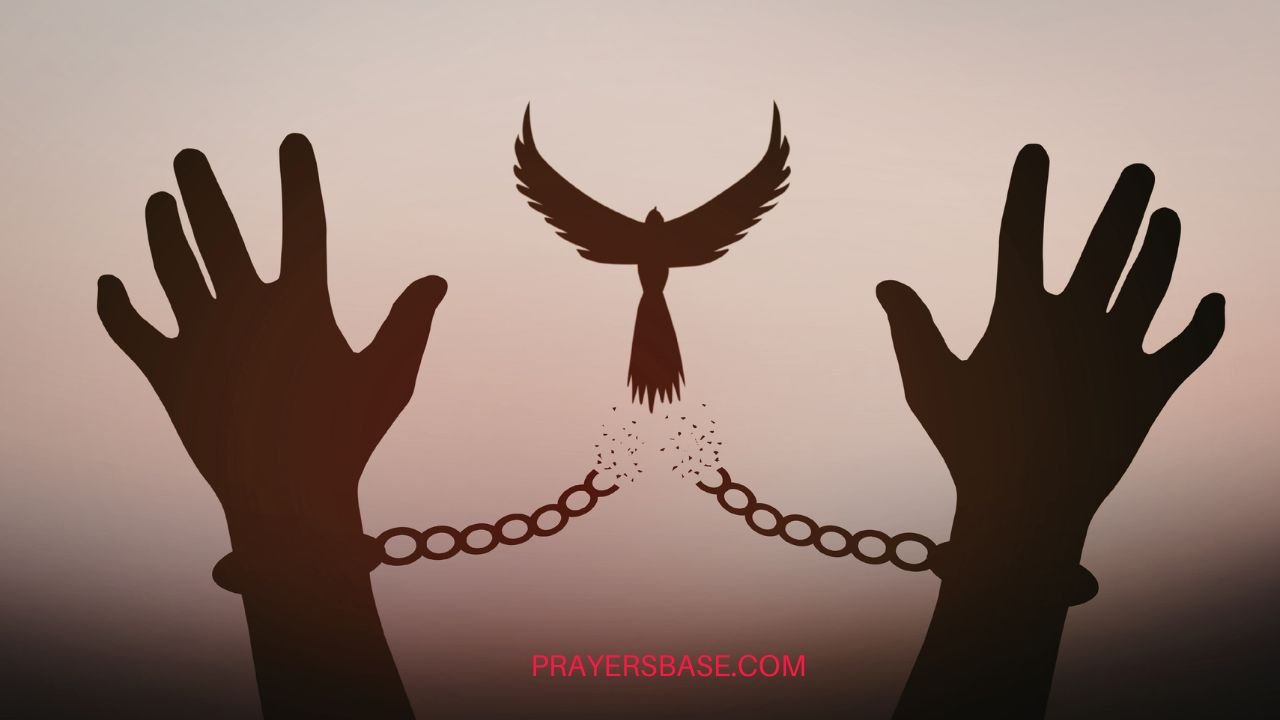
Freedom From Spiritual Bondage: Breaking the Chains
What does spiritual slavery actually look like? Understanding the bondage helps us appreciate the freedom Christ offers.

Understanding Spiritual Slavery
Romans 6:16 puts it bluntly: “Do you not know that to whom you present yourselves slaves to obey, you are that one’s slaves whom you obey, whether of sin leading to death, or of obedience leading to righteousness?”
Before Christ, we were slaves to sin—not occasionally struggling with it, but owned by it. We couldn’t not sin. Our nature was corrupted, and we were under sin’s dominion. But through Christ’s death and resurrection, that slavery has been broken for believers.
Common Forms of Spiritual Bondage Today
Even as believers, we can still experience bondage in various areas when we don’t live in the truth. Here are some common chains:
The Bondage of Perfectionism and Performance
Many Christians live enslaved to the idea that they must earn God’s love through perfect behavior, constant ministry, or flawless obedience. This performance-based Christianity leads to exhaustion, anxiety, and burnout. The truth? God loves you completely because of Christ’s perfect performance, not your own. You can rest in His finished work.
The Chains of Past Mistakes and Guilt
Perhaps nothing enslaves believers more than unresolved guilt and shame from past sins. Even though God has forgiven us, we replay our failures, believing we’re too broken to be fully loved or used by God. The truth? “There is therefore now no condemnation to those who are in Christ Jesus” (Romans 8:1). Your past is covered by the blood of Jesus.
The Bondage of Unforgiveness and Bitterness
Holding onto resentment and refusing to forgive creates a prison of bitterness. The person who hurt you may have moved on, but you’re still trapped, reliving the pain. The truth? Forgiveness isn’t excusing what happened—it’s releasing the offender to God and freeing yourself from the poison of bitterness.
The Tyranny of Lies and Deception
We all believe lies about ourselves, others, and God: “I’m not good enough,” “God is disappointed in me,” “I’ll never change,” “I’m defined by my worst moment.” These lies become chains. The truth of Scripture—spoken, believed, and embraced—breaks these deceptive strongholds.
Real-Life Examples of Bondage
Sarah (not her real name) spent twenty years believing she was disqualified from serving God because of an abortion in her past. She attended church but never fully engaged, always feeling like a second-class Christian. When she finally encountered the truth of God’s complete forgiveness and restoration, she wept—not from sadness, but from the relief of freedom. The truth set her free from decades of self-imposed exile.
Michael struggled with pornography for years, living in secret shame and promising himself he’d stop “just one more time.” The cycle seemed unbreakable until he understood that Christ had already broken sin’s power over him. By abiding in God’s Word daily and walking in the truth of his new identity, he began experiencing real freedom—not perfection, but genuine progress and hope.
How Truth Sets Us Free in Daily Life
Let’s get practical. What does freedom through truth look like when you wake up tomorrow morning?
Freedom From Anxiety About Performance
When you know the truth that God loves you unconditionally—not because of your productivity, ministry success, or moral track record—you can stop striving for approval you already have. You can rest in His acceptance and serve from joy rather than fear.
Imagine starting your workday not anxious about proving your worth but confident that your value is secure in Christ. Imagine facing challenges knowing that your identity doesn’t depend on outcomes. This is the freedom truth brings.
Freedom From the Chains of Past Mistakes
The truth that “if anyone is in Christ, he is a new creation; old things have passed away; behold, all things have become new” (2 Corinthians 5:17) liberates you from constant guilt. You can acknowledge your past, learn from it, and then leave it at the cross.
You’re not defined by your worst day, your biggest failure, or your deepest regret. You’re defined by Christ’s righteousness credited to you. When that truth sinks in, the chains of shame fall off.
Freedom From Fear of the Future
When you know the truth that God is sovereign, good, and has promised to work all things together for your good (Romans 8:28), fear loses its grip. You don’t need to control every outcome or worry about every “what if” because you trust the One who holds tomorrow.
This doesn’t mean challenges won’t come, but it means you face them with confidence in God’s faithfulness rather than paralyzing anxiety.
Freedom From Comparison and People-Pleasing
In our social media age, we constantly compare ourselves to others—their ministries, families, accomplishments, or apparent spiritual maturity. This comparison trap leads to either pride or despair. The truth? God has a unique calling and timeline for your life. You don’t need to be anyone else or achieve what others have achieved. Walking in your God-given identity and purpose brings freedom from the exhausting game of comparison.
Similarly, people-pleasing enslaves us to others’ opinions and approval. The truth that we ultimately serve an audience of One liberates us to obey God even when it’s unpopular or misunderstood.
Daily Freedom in Action
Here’s what walking in freedom might look like:
- Morning: You wake up and, instead of immediately checking social media or worrying about your to-do list, you spend time in God’s Word, reminding yourself of who you are in Christ
- At Work: When criticized unfairly, you don’t spiral into defensiveness or self-condemnation because your worth isn’t tied to others’ opinions
- In Relationships: You can admit when you’re wrong because your identity isn’t based on being right or perfect
- Facing Temptation: You remember that sin promises freedom but delivers slavery, while God’s ways bring true liberty
- Evening: You rest in God’s grace, not obsessing over the day’s failures but trusting in His ongoing work in you
How to Experience This Freedom: Practical Steps
Understanding freedom is one thing; experiencing it is another. Here are practical steps to walk in the freedom Christ offers.

1. Continue and Abide in God’s Word Daily
Remember, Jesus said, “If you abide in My word, you are My disciples indeed.” This is non-negotiable. Freedom comes through regular, consistent engagement with Scripture.
Practical ways to abide:
- Set a specific time each day for Bible reading—even if it’s just 10-15 minutes
- Use a Bible reading plan to stay consistent (many free apps available)
- Don’t just read—meditate. Ask: What does this reveal about God? About me? How should I respond?
- Memorize key verses that address your specific struggles
- Journal your insights and how you see God working
The truth you need to combat lies, resist temptation, and walk in freedom is found in Scripture. You can’t apply truth you don’t know.
2. Walk in Honesty and Confession
First John 1:7-9 teaches that walking in the light—honesty about our sin—keeps us in fellowship with God and brings cleansing. Hiding sin keeps us in bondage; confessing it brings freedom.
This looks like:
- Regular confession to God—daily admitting where you’ve fallen short
- Finding a trusted Christian friend or mentor for accountability
- Being honest in Christian community rather than pretending you have it all together
- Bringing specific sins into the light rather than keeping them secret
James 5:16 says, “Confess your trespasses to one another, and pray for one another, that you may be healed.” There’s something powerful about bringing secret sins into the light of community.
3. Believe and Embrace Christ as Lord
Intellectual belief isn’t enough. James 2:19 reminds us that even demons believe in God. True freedom comes from heart-level trust in Christ—surrendering control of your life to Him.
This means:
- Moving from knowing about Jesus to knowing Jesus personally
- Trusting His character even when circumstances don’t make sense
- Obeying His commands not out of duty but out of love and trust
- Allowing Him to be Lord of every area—finances, relationships, career, entertainment, everything
Where you haven’t surrendered is where you’ll still experience bondage. Total freedom requires total surrender.
4. Rely on the Holy Spirit
You can’t experience freedom through willpower alone. The Holy Spirit—the Spirit of truth—empowers your transformation and guides you into all truth.
Practically relying on the Spirit involves:
- Starting each day asking for His guidance and strength
- Pausing throughout the day to pray for help in moments of temptation or decision
- Paying attention to His conviction—that gentle prompting when you’re heading the wrong direction
- Cultivating spiritual disciplines (prayer, worship, fasting) that keep you sensitive to His voice
- Remembering that transformation is His work, not yours—but you cooperate with Him
Galatians 5:16 promises, “Walk in the Spirit, and you shall not fulfill the lust of the flesh.” Freedom comes through Spirit-empowered living.
Common Misunderstandings to Avoid
Before we conclude, let’s address some common ways people misinterpret “the truth shall set you free.”
It’s Not Just “Being Honest Will Make Life Easier”
Some people interpret this verse as a general principle that honesty is the best policy. While truthfulness is important, Jesus wasn’t giving advice about transparent communication. He was promising spiritual liberation through knowing Him—the Truth personified.
It’s Not About Academic Knowledge Alone
You can have a theology degree, memorize entire books of the Bible, and still live in bondage. Knowledge of truth is different from knowing the Truth (Jesus) and being transformed by relationship with Him. The Pharisees knew Scripture extensively but missed Jesus entirely.
Freedom Doesn’t Mean Life Without Struggle
Some expect that once they understand this truth, all struggles will disappear. That’s not what Jesus promised. Freedom means you’re no longer owned by sin, but you’ll still face spiritual battles. The difference is that now you fight from victory, not for victory. Christ has already won; you’re learning to live in that victory.
Cultural Misuse of the Phrase
This verse is often quoted in secular contexts—political speeches, courtrooms, journalism—to advocate for transparency or justice. While these are good values, they miss Jesus’ point entirely. He wasn’t making a general statement about societal freedom but offering spiritual liberation through relationship with Him.
Living Free: The Journey of True Discipleship
Freedom in Christ isn’t a destination you arrive at and then coast. It’s an ongoing journey of growing deeper into the liberty Jesus purchased for you.
Freedom Is a Process, Not a One-Time Event
At the moment of salvation, you’re positionally free—completely liberated from sin’s penalty and legal ownership. But experiencing that freedom in every area of your life is a journey of sanctification. You’ll have breakthrough moments, periods of growth, and sometimes setbacks. That’s normal. Don’t be discouraged. God is patient with your progress.
Growing Deeper in Freedom Over Time
The longer you walk with Jesus, abiding in His word and relying on His Spirit, the more areas of bondage get exposed and healed. Layers of lies get peeled away. Strongholds that once seemed unbreakable crumble. You’ll look back in five years amazed at what God has done.
The Fruit of Living Free
As you walk in freedom, you’ll begin to display the fruit of the Spirit described in Galatians 5:22-23—love, joy, peace, patience, kindness, goodness, faithfulness, gentleness, and self-control. These aren’t things you manufacture through effort but the natural overflow of a life abiding in Christ.
Free people love more freely, forgive more readily, serve more joyfully, and rest more deeply. They’re not perfect, but they’re being transformed.
Impact on Your Witness
There’s something compelling about a person who’s genuinely free. The world is full of people in various forms of bondage—to substances, approval, success, pleasure, or fear. When they encounter someone walking in authentic freedom, it’s attractive. Your freedom becomes a testimony to the reality and power of Christ.
Conclusion: Embrace the Freedom Christ Offers
The truth shall set you free—not as a nice-sounding platitude, but as a powerful reality. Jesus Christ, the embodiment of truth, offers complete liberation from the slavery of sin, the weight of guilt, the chains of lies, and the fear of death.
This freedom is available to you right now. If you’ve never trusted in Christ, today is the day to believe in Him—not just acknowledge His existence, but surrender your life to Him. Confess your need for forgiveness, believe that He died for your sins and rose again, and commit to following Him as Lord. That’s where freedom begins.
If you’re already a believer but haven’t been experiencing the freedom Christ offers, recommit today to abiding in His word. Make Scripture reading a non-negotiable part of your daily routine. Bring your sins and struggles into the light through confession. Rely on the Holy Spirit’s power rather than your own willpower.
The journey to freedom is lifelong, but it’s worth it. Every chain broken, every lie replaced with truth, every step taken in liberty is a taste of the abundant life Jesus promised. You were made for this freedom. You were bought with a price to experience it. Don’t settle for anything less.
Start today. Open God’s Word. Encounter Jesus, the Truth. And watch Him set you free indeed.
Do you have a testimony of how God’s truth has set you free in a specific area? Share your story in the comments below—your freedom might encourage someone else who’s struggling.